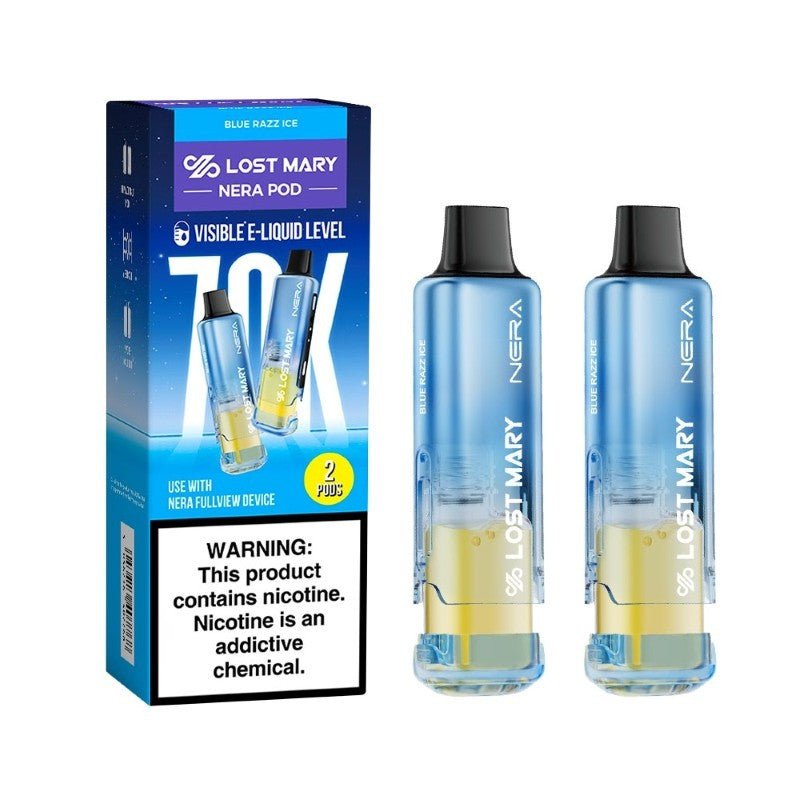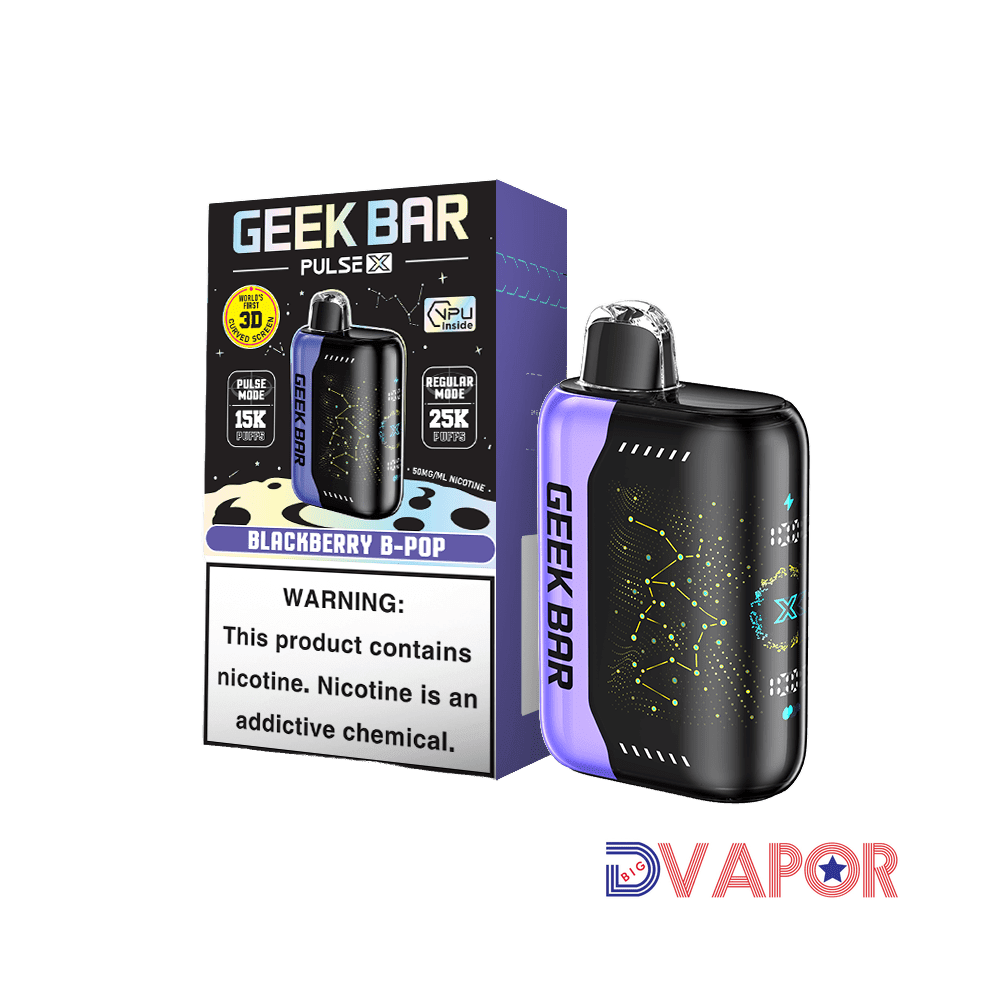


Chemical Structure
Nicotine is the traditional chemical found in tobacco or made synthetically in labs. Either way, it's the same molecule used in vapes, cigarettes, and nicotine replacement products for decades.
Nixodine is a nicotine analog—a different molecule (usually 6-methylnicotine) designed to work like nicotine but with a different chemical makeup.
How They Work in Your Body
Both bind to the same brain receptors and trigger dopamine release, giving you that familiar buzz and satisfaction. The key difference: some research suggests Nixodine analogs may be more potent, so you need less to feel the same effect.
Legal Status
Nicotine is heavily regulated by the FDA. Manufacturers must complete a strict Premarket Tobacco Product Application (PMTA) to sell it legally.
Nixodine was created to sidestep FDA regulations and flavor bans since it's technically not nicotine. However, regulators are actively closing these loopholes and bringing analogs under the same rules as traditional nicotine.
Safety and Research
Nicotine has been studied extensively for decades, so we know a lot about its effects.
Nixodine is new and synthetic. Long-term health effects, toxicity, and addiction potential are still largely unknown.
The Bottom Line
Nicotine disposables use the standard, well-researched chemical that's heavily regulated. Nixodine disposables use a newer synthetic alternative designed to mimic nicotine's effects while attempting to bypass current regulations.